5 tips to reduce pregnancy Gingivitis

Tips to reduce pregnancy gingivitis

Pregnancy is an exciting time in your life and it’s important to maintain your health, both for mother and child.

Hormonal changes in your body can make caring for yourself harder work, increasing the risk of pregnancy gingivitis, which can create bigger problems for your oral and general health. Many women develop pregnancy gingivitis but it can be reduced or prevented by following a few simple tips:

  1. Brush Your Teeth As Much as Possible 

Brushing your teeth morning and night, as well as after meals whenever possible, is an effective way to avoid plaque build-up and tooth decay. If you’re in a public place and can’t brush, try rinsing your mouth out with water after your meal.

  1. Floss and Use Mouthwash 

The other half of a strict oral health regimen, flossing is even more important when you are pregnant. Flossing allows you to clean the areas of your teeth that a toothbrush simply can’t reach. Use a fluoride-based mouthwash to protect your teeth from tooth decay and your basic oral care routine is complete!

  1. Rinse Your Mouth after Morning Sickness

If you suffer from morning sickness, it’s important to rinse your mouth frequently as the acid from vomiting can degrade your tooth enamel. If you’re finding it too difficult to brush your teeth due to morning sickness, try brushing without toothpaste but make sure you use a fluoride based mouthwash afterwards.

  1. See a Dentist Routinely

It’s important to keep up your dental check-ups while pregnant. If possible, see your dentist before you fall pregnant so that you are comfortable with any procedures that need to be performed on your teeth before you get pregnant. A dentist will also be able to clean your teeth to avoid plaque build-up.

  1. Eat Well and Increase Your Intake of vitamins

It might be difficult to eat well while pregnant, but soft drinks, sugar and other unhealthy foods and drinks can have a drastic effect on your teeth for life. Eating well will keep your gingivitis at bay. Pregnancy can strip your body of some vitamins which may be needed for oral health so keep taking pregnancy vitamins to keep your teeth looking and feeling healthy.

Make Titirangi Dental Your Partner during Pregnancy

If you would like some more advice about pregnancy, gingivitis and maintaining your oral health, the team at  Titirangi Dental can help you. We can be your healthcare partner during your pregnancy, working alongside your doctor and other specialists to ensure you and your developing baby are in excellent health. Make sure you see your dentist twice a year – even if it is during your pregnancy. To book an appointment today, get in touch with our friendly team.
titirangi dental

Related Blogs

Why do we recommend fluoride toothpaste? 

When you ask your dental professionals the right toothpastes to use routinely?  We always recommend fluoride toothpastes. Because: 

Cosmetic Dentistry vs. Restorative Dentistry

  • Fluoride toothpaste works into tooth enamel, it can make enamel harder and more resistant to acid, attacks from bacteria and sugary foods. 
  • Fluoride toothpaste can remineralize your teeth, it helps to reverse early tooth decay by replacing lost minerals and repairing damage. 
  • Fluoride toothpaste has been proven to significantly reduce the risk of getting cavities.  
  • Using fluoride toothpaste is the most cost-effective way to contribute to better oral health 

Standard adult and children’s fluoride toothpastes contain 1,000-1,500ppm of fluoride.  However, dental professionals may prescribe high concentration fluoride toothpaste for individuals with high risk of tooth decay, it usually contains 5,000ppm fluoride. 

Speak to Titirangi Dental to Find Your Perfect Treatment

Make an appointment with the team at Titirangi Dental to solve any oral health issuing you’re currently suffering from. We offer the highest quality restorative and cosmetic dentistry techniques in West Auckland. Call us on 09 817 6057 or contact us online.

Add Your Heading Text Here

Is it normal to feel sensitive after teeth whitening?

Cosmetic Dentistry vs. Restorative Dentistry

Is it normal to feel sensitive after teeth whitening?

Yes, most people will feel sensitive after teeth whitening. It is normal because whitening agent make your tooth enamel more porous and permeable. It causes your teeth are easily penetrate to hot, cold, sweet, or sour substances to the nerves.

The sensitivity is usually lasting 24-48 hours, but for people, it can persist for few days.

How to manage sensitivity

  • Use sensitive toothpaste: Apply sensitive toothpastes on the surfaces after you brush your teeth and do not rinse out, leave it overnight.
  • Avoid extremely cold or hot foods and drinks, avoid sweet or acidic foods or drinks for few days after treatment.
  • Be gentle when brushing.
  • Take pain killer like ibuprofen to relieve pain and discomfort.
  • If you experience severe pain and do not improve within 48 hours, contact your dental professional for help.
Speak to Titirangi Dental to Find Your Perfect Treatment

Make an appointment with the team at Titirangi Dental to solve any oral health issuing you’re currently suffering from. We offer the highest quality restorative and cosmetic dentistry techniques in West Auckland. Call us on 09 817 6057 or contact us online.

Add Your Heading Text Here

Dental Implants

Understanding Dental Implants and Their Importance

Dental health is an integral part of overall well-being, yet it’s often overlooked until a problem arises. Among the most common issues are tooth loss, which can occur due to decay, injury, or disease. Fortunately, modern dentistry offers several solutions to restore your smile, and one of the most effective and lasting options is dental implants.

 What are Dental Implants?

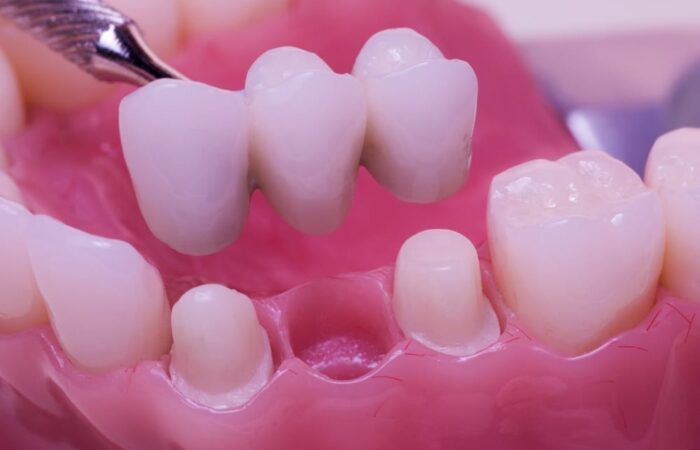
Dental implants are artificial tooth roots, typically made of titanium, that are surgically embedded into the jawbone. Once in place, they provide a sturdy foundation for a replacement tooth, bridge, or even full dentures. The process involves three main stages: the placement of the implant, the healing period during which the implant fuses with the bone (a process known as osseointegration), and finally, the attachment of the prosthetic tooth or teeth.

 The Importance of Dental Implants

1. Restoring Functionality: One of the primary reasons people opt for dental implants is the restoration of normal chewing and speaking abilities. Unlike traditional dentures, which can slip or cause discomfort, implants function like natural teeth, allowing you to eat your favorite foods without worry.

2. Preserving Jawbone Health: When a tooth is lost, the jawbone in the empty space can deteriorate due to lack of stimulation. Implants help maintain the bone by mimicking the function of natural tooth roots, which stimulates the bone and prevents loss of volume and density. This is crucial in maintaining the facial structure and avoiding a sunken appearance over time.

3. Aesthetics and Confidence: Missing teeth can significantly affect your self-esteem and how others perceive you. Dental implants provide a natural-looking and permanent solution, allowing you to smile with confidence. The prosthetic teeth are designed to match the color and shape of your existing teeth, making them virtually indistinguishable from the real thing.

4. Longevity and Durability: Dental implants are designed to last many years, often a lifetime with proper care. Unlike bridges or dentures, which may need to be replaced or adjusted over time, implants offer a more permanent solution, making them a cost-effective choice in the long run.

5. Improved Oral Health: Unlike dental bridges, which require the alteration of adjacent teeth, implants do not affect surrounding teeth. This helps maintain the integrity of your natural teeth and promotes better long-term oral health. Additionally, implants are easier to clean and maintain, reducing the risk of gum disease and other oral health issues.

6. Convenience: Dental implants eliminate the inconveniences associated with removable dentures. There’s no need for messy adhesives, and you won’t have to worry about your teeth slipping out of place. This makes them a hassle-free option for daily life.

 Who Can Benefit from Dental Implants?

Dental implants are suitable for most adults in good health who have lost one or more teeth. However, certain conditions, such as insufficient jawbone density or chronic illnesses, may affect candidacy. A thorough evaluation by a dental professional is necessary to determine if implants are the right option for you.

get in touch

Want to know about dental services and how to keep your mouth and teeth in great condition?

Make an appointment with the team at Titirangi Dental to solve any oral health issuing you’re currently suffering from. We offer the highest quality restorative and cosmetic dentistry techniques in West Auckland.