Invisalign vs. Braces – Which One Is Better?

Invisalign vs. Braces – Which One Is Better?

Braces can help improve the shape and alignment of your teeth, but they’re not everyone’s favourite dentistry treatment. They can be uncomfortable to wear and aren’t the most stylish accessory to wear. With the recent invention of Invisalign, you can wear braces that are clear and removable. However, which one is better in the end? Which one is more comfortable, affordable, convenient, and ultimately, more effective?

A Quick Explanation
Braces

Braces are metal brackets that are glued to your teeth and joined together with metal wirings and rubber bands. The brackets and rubber bands come in different colours, so you can either make them look invisible or colourful to make your teeth more fashionable!

Invisalign

Invisalign are clear, plastic orthodontics that you can remove when eating, however they need be worn at least 22 hours a day.

Comfortability

Braces and Invisalign differs greatly in comfortability. While they aren’t particularly painful, braces can often be uncomfortable, especially when your teeth begin to shift. The wires and brackets may also cause sores in your mouth, and it can be pretty uncomfortable to eat certain foods. Invisalign can feel strange to wear at first, but they’re generally more comfortable than braces. You may feel slightly uncomfortable as your teeth begin to shift, however you can remove them so you won’t have any trouble eating.

Cost

The cost of both braces and Invisalign depends on your treatment. Braces are said to cost anywhere between $3000 and $7000. Invisalign usually costs a little bit extra, with prices ranging from $3000 to $11,000. All in all, the total cost of your braces or Invisalign will come down to duration, whether you need a partial or full set and how many visits you will require.

Convenience

Because braces are glued on, they won’t be removed until the end of the treatment. Braces shouldn’t affect your entire appearance, however, if you’re someone who’s a little self-conscious then braces aren’t the most glamourous thing to wear on your teeth. You can always make them look bolder and more suitable to your style with some coloured brackets and rubber bands!

Unfortunately, there are certain foods you shouldn’t eat while wearing braces. Anything hard such as popcorn, nuts and apples (unless they’re cut into smaller pieces), and sticky such as candy and gum may break the brackets and get stuck in your teeth, causing cavities.

Braces also take more effort to clean. You need to make sure you brush them properly and gently so you won’t break any wires or rubber bands. It is also very important that you floss to remove any plaque your toothbrush can’t reach. Some places are harder to reach, which is where you can use an interdental brush to clean in between your braces. This can be helpful for removing any stubborn plaque and food remains that are stuck in your teeth.

Invisalign, on the other hand, are more convenient to both wear and clean. They are made with clear plastic that covers your teeth, so they pretty much look invisible. You can also remove them to eat and drink (except for clear water) so they won’t get damaged. They are also more suitable to wear if you play any rough contact sports.

Cleaning Invisalign aligners is very important. Because they’re in your mouth nearly all day, Invisalign aligners are just as susceptible to plaque and bacteria as your teeth. There are cleaning kits you can purchase that comes with a cleaning agent that easily removes any toxins. You can also brush and rinse them under lukewarm water to instantly get rid of any saliva.

Effectiveness

If you need some slight teeth adjustment with nothing too complex, you can wear either braces or Invisalign. However, Invisalign is not that effective for more difficult issues such as gaps, abnormal bite and crookedness. Braces do a better job at correcting these problems, so if you only wish to fix the esthetics of your teeth then Invisalign is an option for you. However, you need a high amount of discipline to wear Invisalign. Because they can be taken out, some people take advantage of this and leave it out for longer than they should. With braces, you won’t have this problem, meaning you’ll be more likely to see effectiveness.

Which One is Better?

Whether braces or Invisalign is better depends on the individual. Certain situations and preferences may edge you more towards one method, so speak with your dentist to discuss the best option.

Titirangi Dental offers you with safe and experienced dental services so you are comfortable throughout your entire treatment. Our team will be on hand to answer any queries you have and guide you through the process of your orthodontic treatment, improving your oral health in no time. Contact our office in West Auckland today by calling 09 817 6057, or book online to make an appointment.
titirangi dental

Related Blogs

Why do we recommend fluoride toothpaste? 

When you ask your dental professionals the right toothpastes to use routinely?  We always recommend fluoride toothpastes. Because: 

Cosmetic Dentistry vs. Restorative Dentistry

  • Fluoride toothpaste works into tooth enamel, it can make enamel harder and more resistant to acid, attacks from bacteria and sugary foods. 
  • Fluoride toothpaste can remineralize your teeth, it helps to reverse early tooth decay by replacing lost minerals and repairing damage. 
  • Fluoride toothpaste has been proven to significantly reduce the risk of getting cavities.  
  • Using fluoride toothpaste is the most cost-effective way to contribute to better oral health 

Standard adult and children’s fluoride toothpastes contain 1,000-1,500ppm of fluoride.  However, dental professionals may prescribe high concentration fluoride toothpaste for individuals with high risk of tooth decay, it usually contains 5,000ppm fluoride. 

Speak to Titirangi Dental to Find Your Perfect Treatment

Make an appointment with the team at Titirangi Dental to solve any oral health issuing you’re currently suffering from. We offer the highest quality restorative and cosmetic dentistry techniques in West Auckland. Call us on 09 817 6057 or contact us online.

Add Your Heading Text Here

Is it normal to feel sensitive after teeth whitening?

Cosmetic Dentistry vs. Restorative Dentistry

Is it normal to feel sensitive after teeth whitening?

Yes, most people will feel sensitive after teeth whitening. It is normal because whitening agent make your tooth enamel more porous and permeable. It causes your teeth are easily penetrate to hot, cold, sweet, or sour substances to the nerves.

The sensitivity is usually lasting 24-48 hours, but for people, it can persist for few days.

How to manage sensitivity

  • Use sensitive toothpaste: Apply sensitive toothpastes on the surfaces after you brush your teeth and do not rinse out, leave it overnight.
  • Avoid extremely cold or hot foods and drinks, avoid sweet or acidic foods or drinks for few days after treatment.
  • Be gentle when brushing.
  • Take pain killer like ibuprofen to relieve pain and discomfort.
  • If you experience severe pain and do not improve within 48 hours, contact your dental professional for help.
Speak to Titirangi Dental to Find Your Perfect Treatment

Make an appointment with the team at Titirangi Dental to solve any oral health issuing you’re currently suffering from. We offer the highest quality restorative and cosmetic dentistry techniques in West Auckland. Call us on 09 817 6057 or contact us online.

Add Your Heading Text Here

Dental Implants

Understanding Dental Implants and Their Importance

Dental health is an integral part of overall well-being, yet it’s often overlooked until a problem arises. Among the most common issues are tooth loss, which can occur due to decay, injury, or disease. Fortunately, modern dentistry offers several solutions to restore your smile, and one of the most effective and lasting options is dental implants.

 What are Dental Implants?

Dental implants are artificial tooth roots, typically made of titanium, that are surgically embedded into the jawbone. Once in place, they provide a sturdy foundation for a replacement tooth, bridge, or even full dentures. The process involves three main stages: the placement of the implant, the healing period during which the implant fuses with the bone (a process known as osseointegration), and finally, the attachment of the prosthetic tooth or teeth.

 The Importance of Dental Implants

1. Restoring Functionality: One of the primary reasons people opt for dental implants is the restoration of normal chewing and speaking abilities. Unlike traditional dentures, which can slip or cause discomfort, implants function like natural teeth, allowing you to eat your favorite foods without worry.

2. Preserving Jawbone Health: When a tooth is lost, the jawbone in the empty space can deteriorate due to lack of stimulation. Implants help maintain the bone by mimicking the function of natural tooth roots, which stimulates the bone and prevents loss of volume and density. This is crucial in maintaining the facial structure and avoiding a sunken appearance over time.

3. Aesthetics and Confidence: Missing teeth can significantly affect your self-esteem and how others perceive you. Dental implants provide a natural-looking and permanent solution, allowing you to smile with confidence. The prosthetic teeth are designed to match the color and shape of your existing teeth, making them virtually indistinguishable from the real thing.

4. Longevity and Durability: Dental implants are designed to last many years, often a lifetime with proper care. Unlike bridges or dentures, which may need to be replaced or adjusted over time, implants offer a more permanent solution, making them a cost-effective choice in the long run.

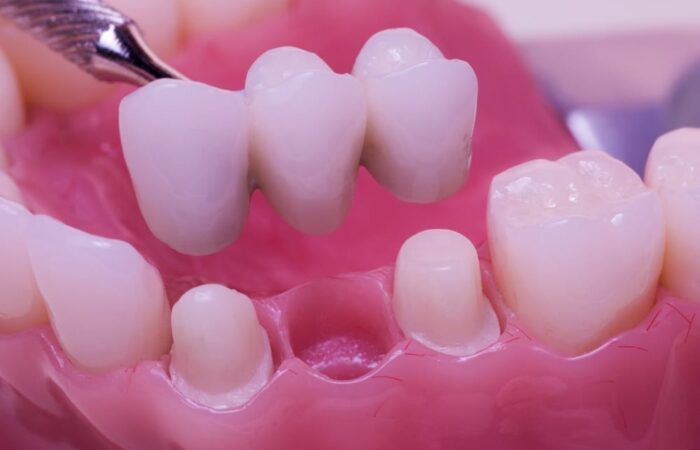
5. Improved Oral Health: Unlike dental bridges, which require the alteration of adjacent teeth, implants do not affect surrounding teeth. This helps maintain the integrity of your natural teeth and promotes better long-term oral health. Additionally, implants are easier to clean and maintain, reducing the risk of gum disease and other oral health issues.

6. Convenience: Dental implants eliminate the inconveniences associated with removable dentures. There’s no need for messy adhesives, and you won’t have to worry about your teeth slipping out of place. This makes them a hassle-free option for daily life.

 Who Can Benefit from Dental Implants?

Dental implants are suitable for most adults in good health who have lost one or more teeth. However, certain conditions, such as insufficient jawbone density or chronic illnesses, may affect candidacy. A thorough evaluation by a dental professional is necessary to determine if implants are the right option for you.

get in touch

Want to know about dental services and how to keep your mouth and teeth in great condition?

Make an appointment with the team at Titirangi Dental to solve any oral health issuing you’re currently suffering from. We offer the highest quality restorative and cosmetic dentistry techniques in West Auckland.