What Happens During a Dental Clean?

Having gaps in your teeth is a common occurrence for many people, and although there are minimal negative effects of gapped teeth, it can be frustrating and lower your self-confidence. If you’re considering correcting the gap in your teeth, speak to a dentist about your options. Our dental professionals are exploring how high-quality veneers can solve these problems.

What Causes Gaps in Teeth?

Most of the time, our dentists treat gaps between the front teeth as those tend to be the most noticeable. A gap between the teeth can occur anywhere in the mouth and it can be caused by a range of things, including:

  • Missing teeth that have made other teeth spread apart
  • The teeth are too small in proportion to the jaw
  • Sucking your thumb as a child
  • Pushing your tongue against your teeth when you swallow
What are Porcelain Veneers and How Do They Close Gaps?

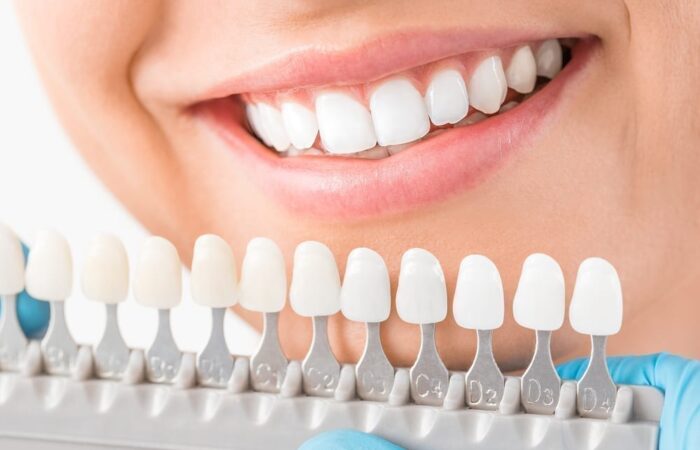
Porcelain veneers are extremely thin shells that are placed on the front surface of the teeth to improve their shape, size, colour and appearance. High-quality, custom veneers can be used to close wider gaps in the teeth, especially if the front teeth are uneven.

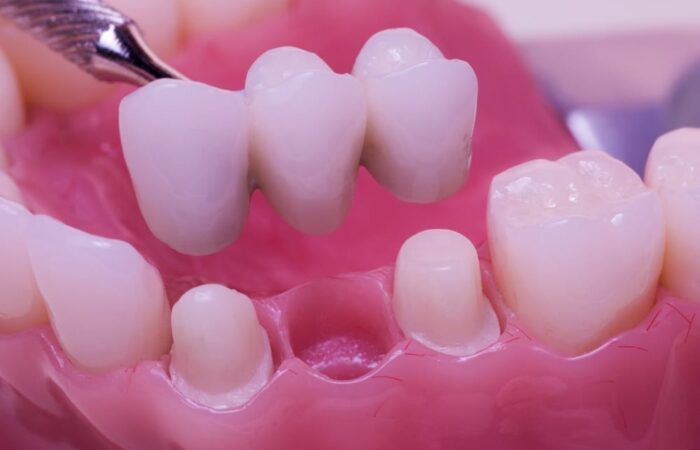
Unlike crowns, porcelain veneers don’t require much preparation of the tooth or to remove the natural tooth structure. They are simply used to cover stains, chips and misaligned teeth in a simple and effective way. Porcelain veneers last between four and twelve years, depending on how well you look after them, making them a great permanent fixture for closing gaps.

The Process of Using Veneers to Close Tooth Gaps

The first step is to head to your dentist in West Auckland, Titirangi Dental. We will ensure your natural teeth are strong enough to support the veneers before beginning the process. First, we remove a thin layer of enamel from your teeth to ensure the new veneers fit perfectly with your smile line. We will give you a temporary veneer to wear while you wait for the custom-made one to arrive.

The custom-made veneers are colour matched with your existing teeth and given the same naturally translucency. They are then fixed to your teeth with a special bonding agent.

What Happens If Your Tooth Gap Is Too Big?

If the gaps in your teeth are too large to be fixed with porcelain veneers, our dentists may recommend starting an Invisalign treatment to straighten and realign your teeth. Invisalign is a fast, permanent and effective method of straightening your teeth that is almost invisible.

Book a Consultation with Titirangi Dental in West Auckland

To find out your best options at our dental clinic in West Auckland, contact our professional team. We will help you choose the right treatment path for your oral needs. Call us on 09 817 6057 or contact us online.
titirangi dental

Related Blogs

Why do we recommend fluoride toothpaste? 

It’s a question many patients think about, especially if their teeth feel fine:

“Do I really need to come in for a hygiene clean?”

If you’re brushing and flossing regularly, it can feel like you’re doing everything right. But even with excellent home care, there are things happening in your mouth that you simply can’t manage on your own.

What Does a Hygiene Clean Actually Do?

A professional hygiene clean is designed to remove plaque and tartar build-up from areas that are difficult or impossible to clean at home.

During a hygiene visit, we:

  • Assess your gum health
  • Remove plaque and hardened tartar
  • Clean around and below the gumline
  • Remove surface stains
  • Provide personalised oral hygiene advice
  • It’s not just about how your teeth look, it’s about keeping your gums and supporting structures healthy.

But I Brush and Floss, isn’t That Enough?

  • Brushing and flossing are essential, but they have limits.
  • Even with great technique:
  • Some areas are hard to reach
  • Plaque can still remain
  • Tartar can still form
  • Bacteria can build up below the gumline
  • Once plaque hardens into tartar, it cannot be removed with brushing or flossing — it requires professional cleaning.

What Happens If You Skip Hygiene Cleans?

If regular cleans are delayed or skipped, plaque and tartar continue to build up over time.

This can lead to:

  • Gum inflammation (gingivitis)
  • Bleeding gums
  • Bad breath
  • Gum recession
  • Bone loss around the teeth
  • Progression to periodontal disease
  • Tooth mobility and potential tooth loss
  • The key thing to remember is that many of these changes happen gradually and without pain, especially in the early stages.

“My Teeth Feel Fine”. Do I Still Need to Come In?

Yes, and this is one of the most important points.

Gum disease often develops silently, meaning:

  • You may not feel pain
  • You may not notice early changes
  • Damage can occur beneath the surface
  • By the time symptoms become obvious, the condition may already be more advanced.
  • Regular hygiene visits allow us to detect and manage issues early.

Who Definitely Needs Regular Hygiene Cleans?

While everyone benefits from professional cleaning, it is especially important if you:

  • Have had gum disease in present and the past
  • Notice bleeding when brushing or flossing
  • Build up tartar quickly
  • Smoke or vape
  • Have dental implants or complex dental work
  • Experience bad breath
  • These patients are often placed on 3–6 month recall intervals to maintain stability.

What Are the Benefits of Regular Hygiene Visits?

Coming in regularly helps to:

  • Keep your gums healthy
  • Prevent gum disease
  • Remove tartar build-up
  • Reduce bad breath
  • Maintain a clean, fresh smile
  • Detect problems early
  • Avoid more complex and costly treatment later
  • It’s one of the simplest ways to protect your long-term oral health.

Is a Hygiene Clean Worth It?

Absolutely.

A hygiene clean is not just a “nice to have”,  it’s a preventative treatment that helps avoid more serious issues down the track.

Think of it as maintaining your oral health rather than waiting for problems to arise.

FAQs

How often should I come in?

Most patients benefit from cleans every 6 months, but some may need them more frequently or less depending on their risk.

Will it hurt?

Most cleans are comfortable, and we adjust treatment based on your sensitivity.

Can I skip it if my teeth look clean?

Even if your teeth look clean, tartar and bacteria can still be present below the gumline.

Is it really necessary long-term?

Yes, regular maintenance is key to preventing gum disease and protecting your teeth.

Keep Your Smile Healthy for the Long Term!

Even with the best home care, professional hygiene cleans play a crucial role in maintaining your oral health.

At Titirangi Dental Centre, we tailor your hygiene care to suit your individual needs and help you stay on top of your oral health long-term.

 Call 09 817 6057 or contact us online to book your hygiene appointment today.

Make an appointment with the team at Titirangi Dental to solve any oral health issuing you’re currently suffering from. We offer the highest quality restorative and cosmetic dentistry techniques in West Auckland. Call us on 09 817 6057 or contact us online.
Add Your Heading Text Here

Is it necessary to use mouthwash? 

If it’s been a while since your last dental clean, you might be wondering what actually happens during the appointment, and whether it’s really necessary. A professional dental clean is one of the most important things you can do for your oral health. It goes far beyond what you can achieve at home and plays a key role in preventing gum disease, tooth decay, and long-term dental problems.

Why Dental Cleans Are So Important: Even with good brushing and flossing, plaque naturally builds up on your teeth every day. If it isn’t removed thoroughly, it hardens into tartar (calculus), and once that happens, it cannot be removed at home.

Over time, this build-up can lead to:

  • Gum inflammation (gingivitis)


  • Gum disease (periodontitis)


  • Bad breath


  • Staining


  • Bone loss and tooth loss


Regular dental cleans help stop this process early, before damage becomes more serious and harder to treat.

Step-by-Step: What Happens During Your Dental Clean

1. Medical History & Oral Health Review

We begin by reviewing your medical history and checking for any updates. This helps us tailor your treatment and ensure everything is safe and appropriate for you.

2. Gum Health Assessment

Your gums are carefully examined for signs of inflammation, bleeding, or gum disease.We may gently measure around your teeth to assess gum health and check for any areas that need closer attention.

3. Plaque and Tartar Removal (Scaling)

Using specialised instruments (including ultrasonic scalers), we remove plaque and hardened tartar from your teeth.This step focuses especially on:

  • Along the gumline


  • Between teeth


  • Hard-to-reach areas

    This is the most important part of the clean, as tartar cannot be removed with brushing alone.

4. Airflow Cleaning (Advanced Stain Removal)

We use Airflow technology, a gentle combination of air, water, and fine powder, to remove surface stains caused by:

  • Coffee


  • Tea


  • Red wine


  • Smoking or vaping


Airflow is much more comfortable than traditional polishing and is very effective at lifting stains without damaging the enamel.5. Polishing the Teeth

After stain and tartar removal, your teeth are polished to create a smooth surface.

This helps:

  • Reduce plaque sticking to teeth


  • Improve the feel of your teeth


  • Enhance the overall appearance of your smile

    6. Personalised Oral Health Advice

No two patients are the same, so we provide tailored advice based on your oral health.

This may include:

  • Brushing technique


  • Interdental cleaning (floss or brushes)


  • Diet advice


  • Gum care tips

     What Are the Benefits of a Dental Clean?

Regular dental cleans help to:

  • Prevent gum disease


  • Remove tartar and plaque build-up


  • Reduce bad breath


  • Improve gum health


  • Remove stains and brighten your smile


  • Detect problems early


  • Protect your teeth long-term

    Does a Dental Clean Hurt?

For most patients, dental cleans are comfortable.

If your gums are inflamed or sensitive, you may feel some mild discomfort — but we always adjust the treatment to keep you as comfortable as possible.

The earlier you come in, the easier and more comfortable your clean will be.

FAQs

How long does a dental clean take?

Usually between 45–90 minutes, depending on how much build-up is present and your gum health.

How often should I get a clean?

Most people benefit from cleans every 6 months, but some may need them more frequently depending on their risk.

Will a dental clean whiten my teeth?

A clean removes surface stains, so your teeth may look brighter — but it is not the same as professional whitening.

Can I skip cleans if I brush and floss well?

No, even excellent home care cannot remove hardened tartar.

Keep Your Smile Healthy and Fresh

There’s no doubt that a professional dental clean plays a key role in maintaining a healthy, confident smile. Keeping on top of your oral health now can help prevent more complex (and costly) problems in the future.

At Titirangi Dental Centre, we use gentle, modern techniques — including Airflow — to make your dental clean as effective and comfortable as possible.  

Speak to Titirangi Dental to Find Your Perfect Treatment

Make an appointment with the team at Titirangi Dental to solve any oral health issuing you’re currently suffering from. We offer the highest quality restorative and cosmetic dentistry techniques in West Auckland. Call us on 09 817 6057 or contact us online.

Add Your Heading Text Here

Why do we recommend fluoride toothpaste? 

When you ask your dental professionals the right toothpastes to use routinely?  We always recommend fluoride toothpastes. Because: 

Speak to Titirangi Dental to Find Your Perfect Treatment
  • Fluoride toothpaste works into tooth enamel, it can make enamel harder and more resistant to acid, attacks from bacteria and sugary foods. 
  • Fluoride toothpaste can remineralize your teeth, it helps to reverse early tooth decay by replacing lost minerals and repairing damage. 
  • Fluoride toothpaste has been proven to significantly reduce the risk of getting cavities.  
  • Using fluoride toothpaste is the most cost-effective way to contribute to better oral health
  • Standard adult and children’s fluoride toothpastes contain 1,000-1,500ppm of fluoride.  However, dental professionals may prescribe high concentration fluoride toothpaste for individuals with high risk of tooth decay, it usually contains 5,000ppm fluoride. 

Make an appointment with the team at Titirangi Dental to solve any oral health issuing you’re currently suffering from. We offer the highest quality restorative and cosmetic dentistry techniques in West Auckland. Call us on 09 817 6057 or contact us online.

Add Your Heading Text Here

get in touch

Want to know about dental services and how to keep your mouth and teeth in great condition?

Make an appointment with the team at Titirangi Dental to solve any oral health issuing you’re currently suffering from. We offer the highest quality restorative and cosmetic dentistry techniques in West Auckland.